On November 5, 2025, the 2025 Global Forum on Rule of Law for Business was held in Qingdao. The opening ceremony featured addresses by Ren Hongbin, Chairman of the China Council for the Promotion of International Trade (CCPIT); Li Mingzheng, Vice Minister of Justice; Zhou Liwei, Member of the Standing Committee and Head of the Organization Department of the Shandong Provincial Party Committee; Wang Zhenjiang, Vice President of the China Law Society; Xi Guohua, Chairman of CITIC Group Corporation; Haji, Chairman of the International Organization for Standardization's Committee on Developing Country Matters (ISO/DEVCO); Huang Jin, President of the Chinese Society of International Law; and Sandra, Chair of the Asian Institute for Dispute Resolution. Javier, President of the World Jurist Association, delivered a video address.
The theme of the forum was "Strengthening International Cooperation on the Rule of Law to Promote Inclusive Economic Development." The main forum revolved around the topic of "Legal Challenges and Responses for Smooth Operation of Industrial and Supply Chains," and two parallel forums were held focusing on "Rule of Law Development and Dispute Resolution under a Global Perspective" and "Intellectual Property and Artificial Intelligence in the Wave of Innovation." The conference saw over 1,000 representatives attending in person, including delegates from international organizations, government departments from various countries, envoys to China, legal service institutions, business associations, and enterprises. Foreign attendees accounted for more than one-third of the total, covering 47 countries and regions.
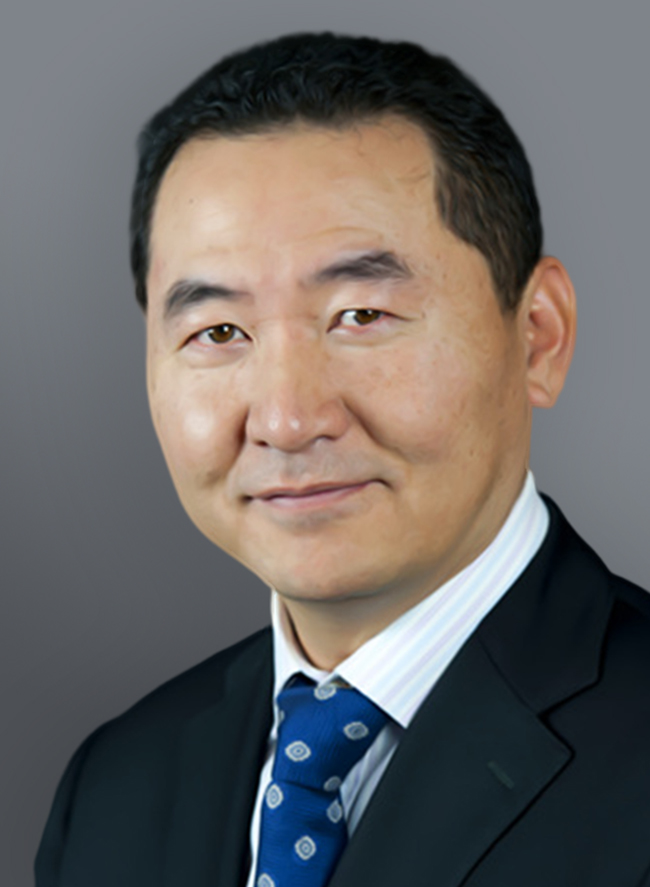
Llinks founding partner Mr. David Yu attended the grand event on behalf of the Belt and Road Legal Service Alliance, and delivered a keynote speech titled "Legal Challenges and Collaborative Responses for the Smooth Operation of Industrial and Supply Chains" during the main forum's special seminar session.
In his speech, Mr. Yu highlighted that global industrial and supply chains are shifting from a focus on "efficiency first" to "equal emphasis on security and resilience." This profound restructuring has brought about severe legal challenges such as import and export controls and rule fragmentation. Facing these challenges requires a collaborative response. He emphasized that enterprises must solidify the foundation of standardized operations, build a full-process risk control system, and actively rely on external regulatory support to leverage rule dividends and rule-of-law guarantees to gain the initiative. Mr. Yu stated that the smooth flow of industrial and supply chains is the joint result of "hard technology" and "soft rules," and legal service institutions play multiple roles in this process: "risk forecaster," "rule constructor," "value enabler," and "dispute resolver."
Mr. Yu proposed that legal service institutions should continue to utilize their professional advantages, fulfilling the roles of "accurate forecasting, diversified cooperation, and efficient dispute resolution" to help enterprises build strong legal defenses, jointly address challenges, and contribute professional strength to strengthening global rule-of-law cooperation.