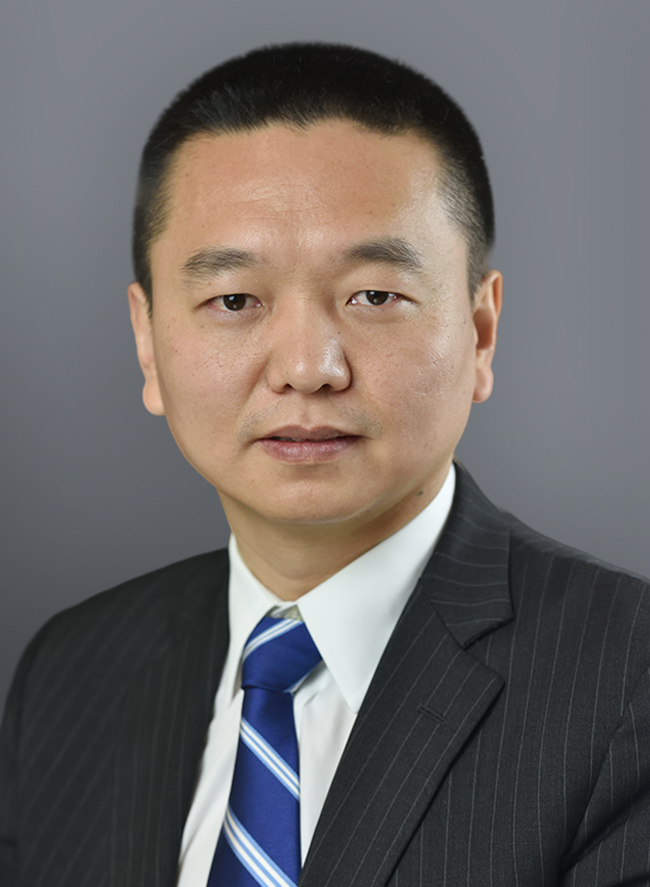
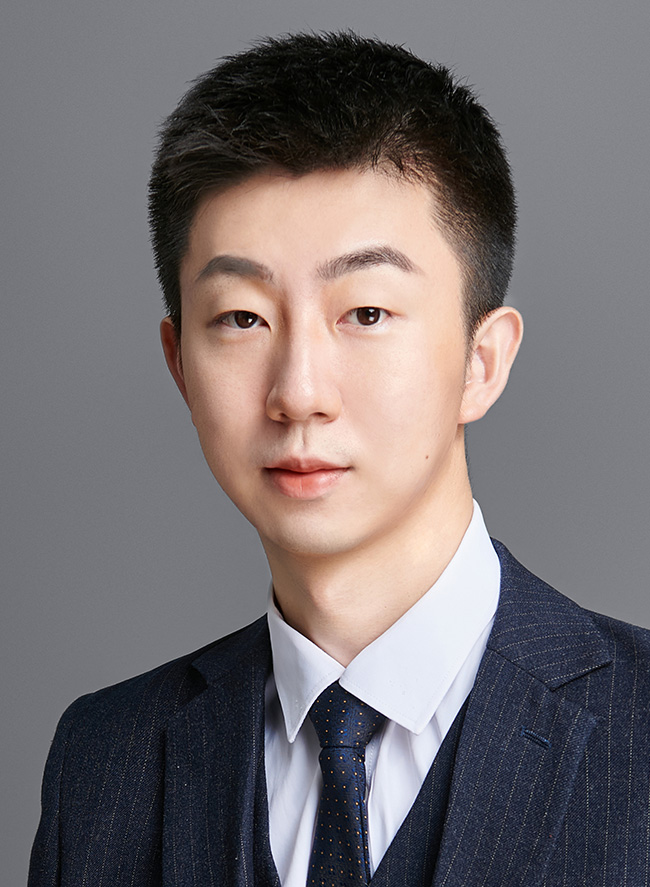
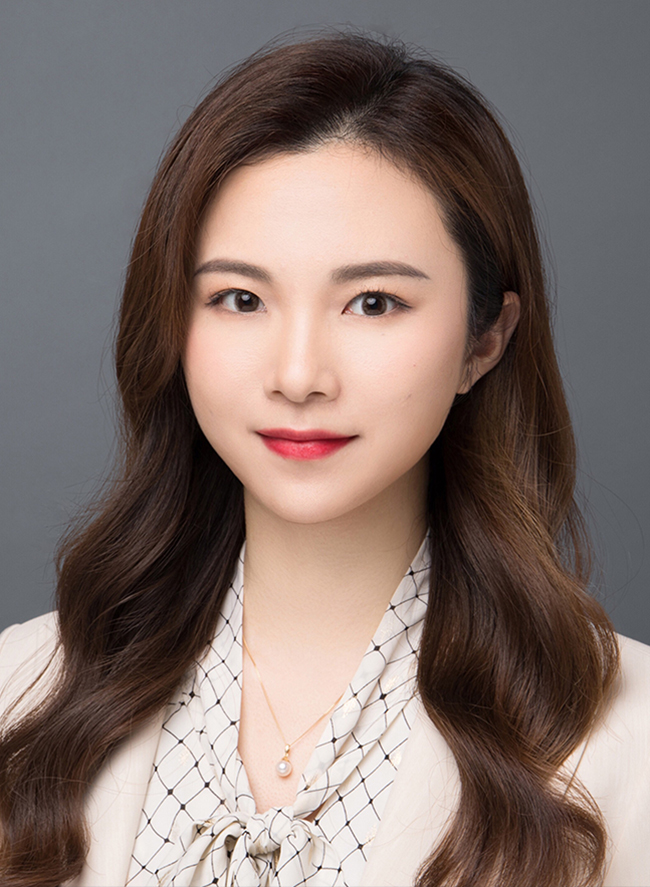
On June 27, 2024, the "Compliance Seminar for Pharmaceutical and Healthcare Industry" was successfully held in Llinks Shanghai office. David Pan and Nigel Zhu, partners of Llinks, and Susan Deng, Senior Associate of Llinks, analyzed the practical operation of compliance building in the pharmaceutical and healthcare industry from the perspective of clinical compliance, anti-corruption compliance, data compliance and other aspects, and analyzed the practical operation of compliance building in the pharmaceutical and healthcare industry from the perspective of clinical compliance, anti-corruption compliance, data compliance, etc.
David Pan focused on the theme of "Review and Prospect of Compliance Priorities in the Pharmaceutical and Healthcare Industry", and shared his views on "Overview of Compliance in the Pharmaceutical and Healthcare Industry" and "Data Compliance in the Pharmaceutical and Healthcare Industry". During the sharing, David Pan firstly introduced the key points of legislation and enforcement by the legislature and regulation in 2023 in the areas of pharmaceutical anti-corruption, drug supervision and management, innovative drug development, quality management of medical device business, and regulation of human genetic resources. Especially for the latest trend of pharmaceutical anti-corruption and the future regulation that enterprises are generally concerned about, David Pan analyzed a typical penalty case, and explained in-depth the precautions that enterprises should take and the relevant compliance ideas and plans. David Pan gave a thorough explanation on the detailed regulations related to traditional Chinese medicines, the system of marketing authorization holders for medicines, pharmaceutical advertisements, the list of credit appraisal and non-compliance in bidding and procurement, as well as emerging AI-assisted compliance for medicines and medical devices, response to data leakage and other security incidents, and cross-border transfer of data and other compliance matters, in particular, the reviewing practice of the CAC and the identification of sensitive personal information. Based on David Pan's rich experience in providing legal services in the past, he also provided ideas on how enterprises can better control risks in the above areas based on regulatory requirements and commercial considerations.
Nigel Zhu combined his rich practical experience with case studies to explain the difficulties in anti-corruption compliance for pharmaceutical companies, and shared practical insights and practical suggestions for the guests. He firstly introduced the anti-corruption regulatory trends in the pharmaceutical industry, including the relevant regulatory rules and enforcement. Secondly, taking commercial bribery as an entry point, Nigel Zhu analyzed in detail the typical scenarios of interaction with HCPs, such as "lecture fees" and "sponsorship of academic activities", from which he summarized the compliance measures and prohibitions that can be taken by enterprises, including how to select supportive medical personnel, and avoiding the involvement of luxury activities, entertainment and other activities unrelated to academics. Lastly, Nigel Zhu shared several types of job misappropriation behaviors that occur frequently in pharmaceutical companies, including direct misappropriation (embezzlement) of property, unauthorized sale of company products/services, fraudulent acquisition of property, and misappropriation of the company's trading opportunities. He also highlighted the details of calculating the amount of money involved in the case, and when to file a criminal report or to take civil litigation for remedial action. In addition, Nigel Zhu systematically introduced the precautions to be taken by enterprises to prevent misappropriation, including policies and systems to clarify conflicts of interest, systems, operating rights and procedures to regulate employees' behavior, the implementation of anonymous reporting, reward and punishment system, entrusting third-party management, standardizing the reimbursement system and invoice review process, and conducting regular training.
As the pharmaceutical industry is becoming increasingly digitalized and artificially intelligent, Susan Deng shared her practical experience on the topic of "Picking up data compliance issues in the pharmaceutical and healthcare industry - how legal services can empower business". Firstly, Susan Deng elaborated on the topic of how enterprises can deal with the regulation of cross-border flow of data. She emphasized the new changes and trends in the legislation and regulation of the pharmaceutical industry in the light of her observation of the new business model of the pharmaceutical industry. In particular, Susan Deng introduced a series of key data compliance issues related to the interests and needs of enterprises, such as prioritization of regulations application, negative lists, scenario exemptions, determination of sensitive information, etc. She also summarized and sorted out common cross-border data transfer scenarios for pharmaceutical and healthcare enterprises. Then, based on the detailed explanation of informed consent management, patient data utilization and other topics, Susan Deng put forward suggestions for enterprises' future compliance work based on her practical experience. She pointed out the compliance problems of typical data types and suggested enterprises to establish data compliance guidebooks.
The speakers and the guests discussed lively, which deepened their understanding and awareness of the opportunities and challenges of the current development of the pharmaceutical and health industry. Llinks will continue to be professional and pragmatic to keep the attention and analysis on the industry's cutting-edge issues and hotspots, and provide a broad communication platform for industry professionals in seminars or other ways.